
Licensed Pasadena asbestos survey and inspection services for manufacturers, petrochemical plants, and industrial facilities.

The Houston, Texas suburb Pasadena is home to several major petrochemical plants operated by corporations such as Chevron Phillips Chemical and BASF.

With many of Pasadena’s industrial facilities and chemical plants being built decades ago before modern asbestos regulations, activities such as industrial facility upgrades, chemical plant maintenance, and manufacturing investments generate recurring demand for renovation and pre-demolition asbestos survey inspections and compliance.

When renovation and demolition activities disturb legacy materials, asbestos can quickly put health, compliance, and project timelines at risk.

Asbestos survey and inspection for Pasadena industries

SITEX provides asbestos survey and inspection services for a variety of construction, expansion, and maintenance projects across south-east Texas.

Common sectors and projects include:

  • Chemical manufacturing
  • Industrial processing
  • Worker exposure management

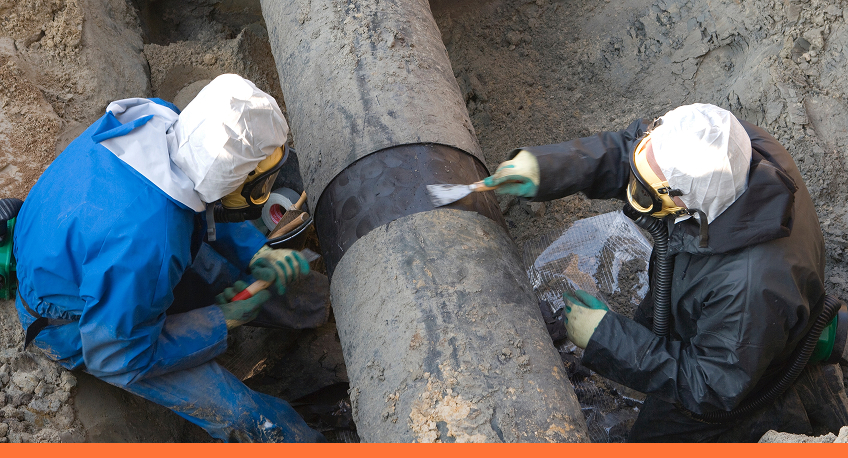
two asbestos removal workers in full PPE

The benefits of working with SITEX for Pasadena asbestos services

SITEX provides Pasadena asbestos services, including inspections, testing, and abatement planning. Our licensed professionals help organizations identify asbestos hazards, meet regulatory requirements, and keep projects moving safely.

Working with a qualified asbestos partner helps reduce risk at every stage of a project:

  • Compliance-ready asbestos testing and inspection documentation
  • Minimized delays during renovation, redevelopment, or demolition
  • Abatement plans aligned with OSHA, EPA, and Texas requirements
  • Clearance testing and reporting to support safe re-occupancy
 

Fill out the form to speak with a SITEX asbestos expert.

Speak to an asbestos testing expert today

Gloved hand holding tweezers picking up asbestos sample

How asbestos inspections work

SITEX conducts asbestos testing using a structured process designed for regulated, non-residential environments.


1. Site walkthrough

Inspections begin with a site walkthrough to identify suspect asbestos-containing materials based on building age and observed conditions.


2. Asbestos sampling

When sampling is required, representative material samples are collected following established protocols and submitted to accredited laboratories for analysis.


3. Clear documentation

Inspection results are documented in a clear, written report that outlines findings, risk considerations, and recommended next steps. This documentation supports regulatory compliance, project planning, and coordination with contractors, insurers, and stakeholders.

What project types must comply with Texas asbestos regulations

Asbestos testing is required or strongly recommended in several situations, including:

Before renovation or demolition

Federal OSHA, the National Emission Standards for Hazardous Air Pollutants (NESHAP), and the Environmental Protection Agency (EPA) require an asbestos survey before renovation or demolition of industrial and public buildings when work may disturb building materials.

Pasadena requires commercial and public demolition projects to meet the Texas Asbestos Health Protection Rules (TAHPR).

Learn more on the Texas Health and Human Services’ General Asbestos FAQs and on this Pasadena resource .

Discovery of suspect materials

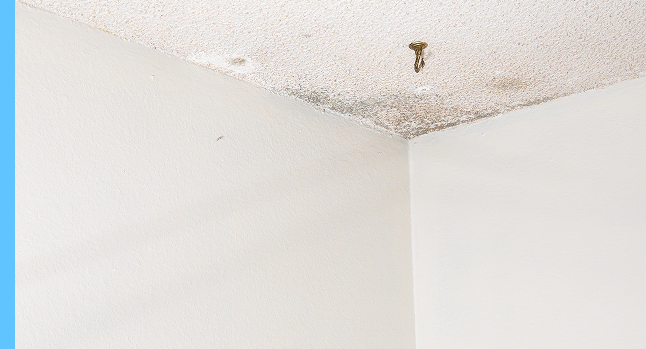
Old insulation, pipe wrap, floor tiles, or ceiling systems often trigger testing before work resumes.

Post-abatement clearance

Clearance air sampling is required to document that spaces are safe for re-occupancy under TAHPR. These samples verify that asbestos fiber levels meet applicable standards.

Learn more about post-abatement clearance in this TAHPR resource .

Consequences of non-compliance

Failing to complete required inspections can halt projects, increase liability, and result in regulatory penalties.

Pasadena asbestos services oversight

When asbestos is confirmed, SITEX supports the full abatement lifecycle, with a focus on safety, compliance, and continuity of operations.

Abatement design and regulatory alignment

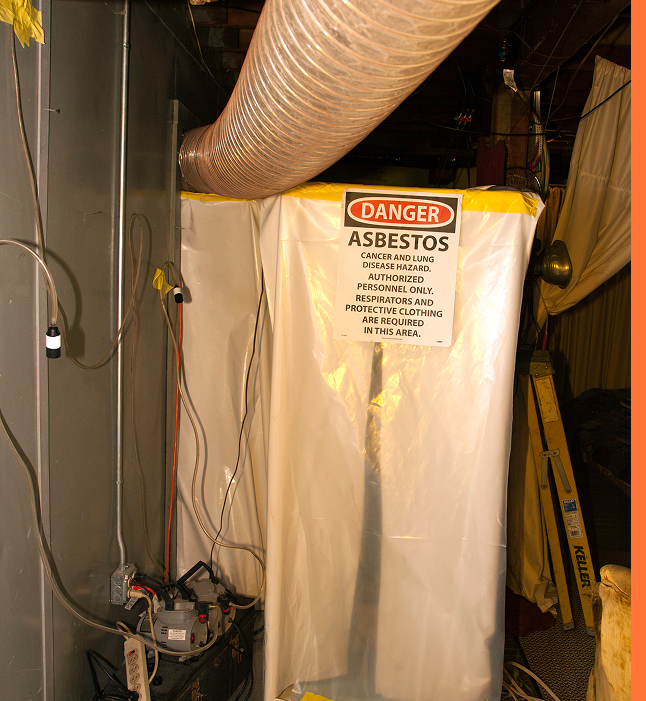
SITEX develops site-specific abatement plans that account for building occupancy, containment requirements, phasing, and applicable OSHA, EPA, AHERA, and Texas regulations. Plans are designed to reduce exposure risk while minimizing disruption to ongoing operations.

Post-abatement clearance testing

Final reports document compliance and support safe re-occupancy.

Speak with an asbestos expert

If you’re planning renovation or demolition, or need asbestos testing to meet regulatory or insurance requirements, early inspection can help prevent costly delays and exposure risks. Speak with a SITEX expert about Pasadena asbestos services.
Speak with a SITEX asbestos expert

Frequently asked questions about Pasadena asbestos inspections

SITEX supports commercial, industrial, institutional, and public-sector facilities, including offices, manufacturing plants, schools, colleges, and government buildings. SITEX does not provide asbestos services for single-family residential homes.

Asbestos testing is required before renovation, demolition, or repair work that could disturb building materials. It is also required for compliance under regulations such as OSHA 29 CFR 1926.1101, EPA NESHAP, and AHERA (for schools). Testing may also be required during property transactions, risk assessments, or in response to air quality concerns.

An asbestos inspection begins with a site walkthrough to identify suspect asbestos-containing materials. SITEX collects representative samples for laboratory analysis and provides a detailed report outlining findings, risk considerations, and recommendations for abatement planning or next steps.

Clients receive a laboratory report with chain-of-custody documentation, an inspection summary, and compliance-ready findings. If abatement occurs, additional documentation may include clearance air sampling results, disposal manifests, and final clearance reports to support regulatory, insurance, and project requirements.