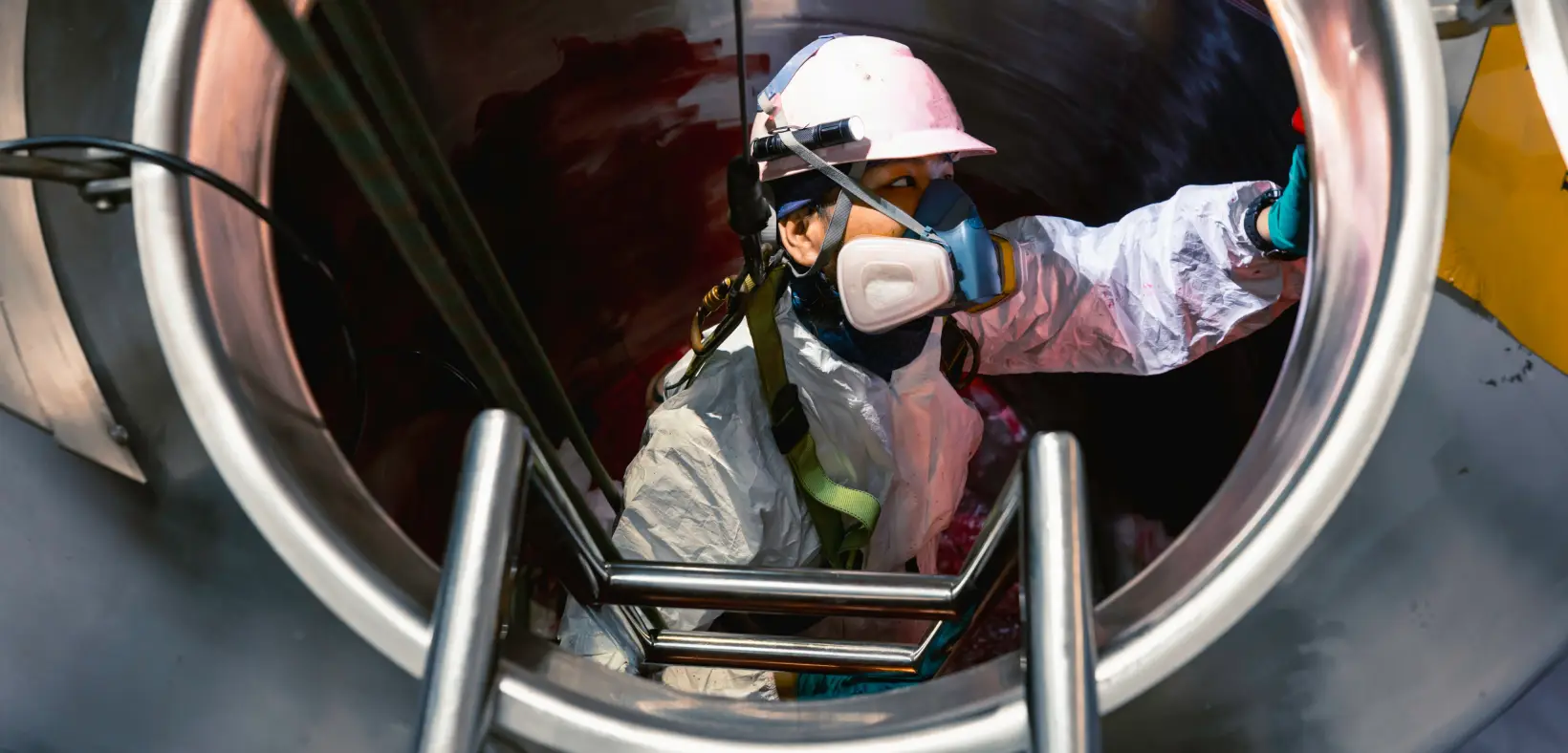
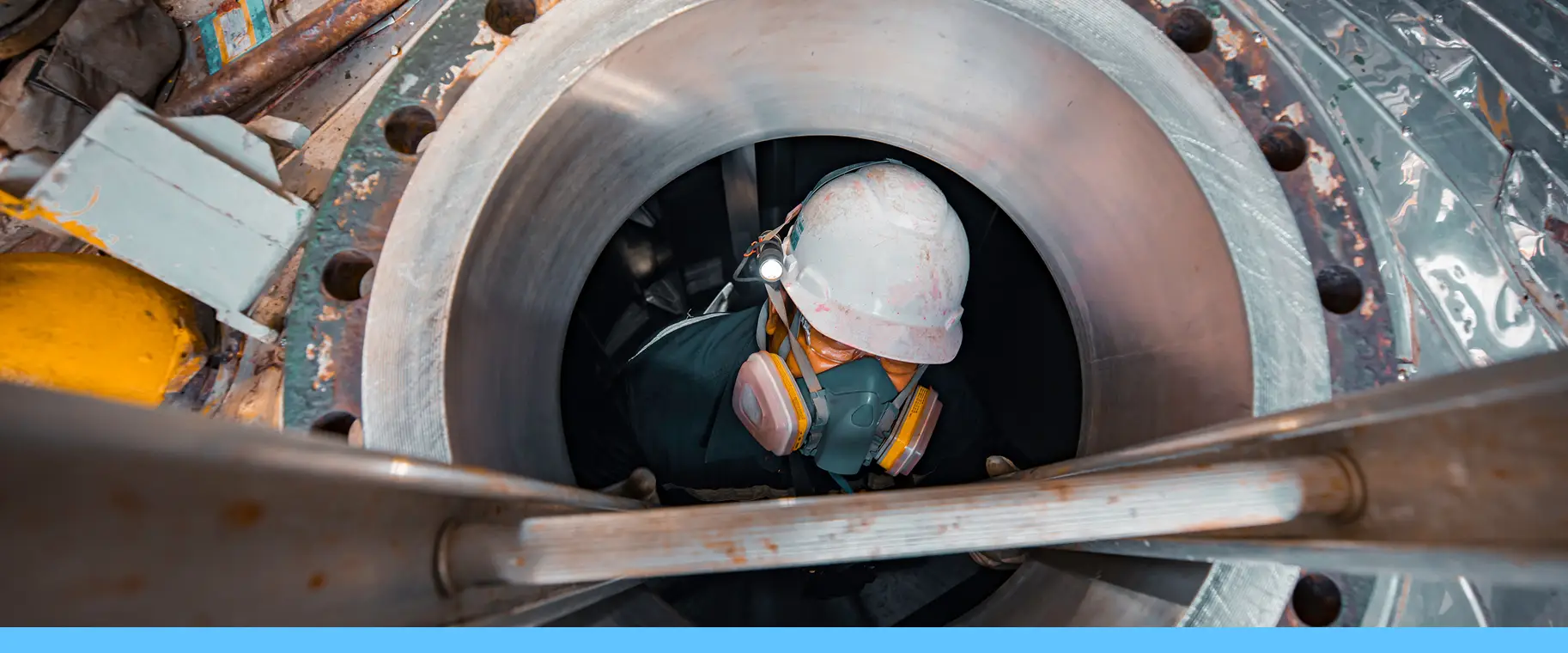
Federal data shows that more than half of confined space fatalities involve not just the initial worker, but would-be rescuers who enter without the proper training, equipment, or planning.
That statistic highlights the importance of carefully evaluating confined space rescue companies to ensure they have the training, equipment, and planning capability needed to perform rescues safely and effectively.
Confined space rescue companies can vary in experience, preparation, and scope, which makes careful evaluation important.
Ask yourself this simple question: If a worker became unconscious in a confined space where work is being done, could they be removed safely without another person entering that space?
If the answer is no, then a properly trained and equipped rescue team needs to be available. In many cases, that means either an on-site rescue team or a tightly staged standby team, depending on the hazards present.
Other conditions that would necessitate a confined space rescue company’s services:
OSHA requires employers to have a confined space rescue plan whenever workers enter permit-required confined spaces. In some cases, this requirement is addressed by listing a third-party rescue provider or local emergency responders in the plan.
However, compliance on paper doesn’t guarantee effective rescue capability. In confined space emergencies, that distinction can become painfully clear.
Rescuers must be able to respond in a timely manner, have training and equipment appropriate for the specific confined space, and demonstrate proficiency in the required rescue methods. These expectations are difficult to meet without advance planning and verification.
When evaluating confined space rescue companies, compliance should be treated as the starting point. The more important question is whether the rescue team is prepared to perform safely and effectively if an emergency occurs.
In a confined space emergency, minutes matter. Oxygen deficiency, toxic atmospheres, and physical injury can escalate quickly, leaving little margin for delay.
When evaluating confined space rescue companies, response time should be assessed based on real site conditions.
Response planning should account for site access, layout, and setup time, not just geographic proximity. Rescue providers should be able to explain how quickly a team can realistically respond and why that level of coverage is appropriate for the space.
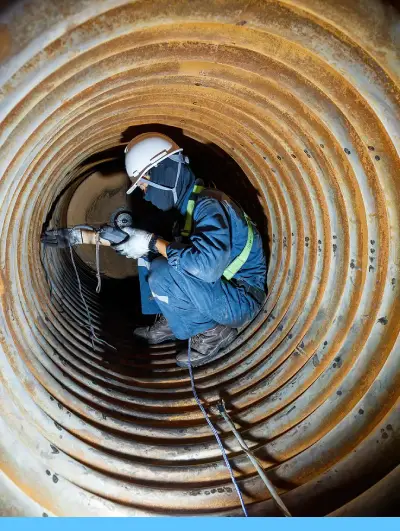
Not all confined spaces present the same rescue challenges. Tanks, silos, pits, vessels, and vaults may all meet OSHA’s definition of a confined space, but their configurations and hazards differ significantly.
Confined space rescue companies should demonstrate experience with the specific type of space involved. This includes understanding access limitations, internal configurations, atmospheric risks, and how those factors affect rescue planning and execution.
In confined space rescue, how a team plans matters as much as what equipment they bring.
Panic-driven decisions — such as using winches or cranes simply because they are available — can increase the likelihood of injuries or fatalities.
Effective confined space rescue companies rely on controlled techniques appropriate to the space, such as rope-based systems, and avoid equipment that introduces unnecessary hazards. Rescue plans should clearly outline how an extraction would be performed before entry begins.
OSHA assigns distinct responsibilities to entrants, attendants, supervisors, and rescuers to prevent confusion during routine work and emergencies. Role clarity is critical in confined space operations, where unauthorized entry and uncoordinated responses can quickly escalate an incident.
Confined space rescue companies should provide clear on-site authority, including supervision of entry conditions, permit control, and scene management during an emergency. There should be no ambiguity about who can authorize entry, terminate work, or control access to the space.
Rescue effectiveness depends on having the right equipment and knowing how to use it under pressure. Atmospheric monitors, retrieval systems, respiratory protection, and other rescue equipment must be appropriate for the hazards present and immediately available.
Confined space rescue companies should provide the necessary equipment, maintain it properly, and train their teams to use it routinely. Equipment familiarity reduces hesitation and error when time is critical.
Once these core readiness factors are understood, cost becomes a useful secondary consideration for confirming whether a provider’s capabilities are a match for the risks involved.

Confined space rescue costs vary based on scope and site conditions.
Costs are typically influenced by the level of coverage required, including the number of rescue personnel, the duration of coverage, and the equipment needed for the specific space and hazards involved. Because these variables differ from site to site, pricing is not fixed.
Cost discussions should also clarify what is included in a quote. In some cases, pricing may account only for labor hours, with equipment charged separately. In confined space rescue, where specialized equipment is essential to safe execution, understanding whether equipment is included up front matters.
In business, cost is almost always top of mind, but these conversations should help determine whether a rescue provider’s scope, equipment, and level of preparation align with the risks present at the worksite.
| Service/Capability | What you get |
|---|---|
| Confined space rescue teams | Trained rescuers, attendants, and supervisors assigned based on site conditions |
| On-site and standby rescue coverage | Rescue teams positioned on-site or staged nearby depending on permit requirements and hazards |
| Rescue planning and pre-rigging | Site-specific rescue and contingency planning completed before work begins |
| Rope and high-angle rescue | Controlled extraction methods for vertical, horizontal, and complex confined spaces |
| IDLH rescue | Preparedness for hazardous atmospheres, including appropriate respiratory protection |
| Confined space supervision | Entry authorization and oversight of confined space operations |
| Rescue equipment and PPE | Atmospheric monitors, retrieval systems, air supply, and other required rescue equipment |
| Drills and preparedness support | Scenario planning and readiness activities to support safe execution |
Evaluating confined space rescue companies is ultimately an exercise in judgment. The decisions made before work begins are the ones that matter most when conditions change.
In confined space work, rescue plans are tested only when something goes wrong.
The goal is to ensure that the plan you have in place is one that can actually be executed safely and effectively.







35+ Years Of Experience